Tata AIA Sampoorna Care – Cancer व Cancer Fund समजून घ्या
कॅन्सरचे निदान कुटुंबाला दुहेरी फटका देते — आधी वैद्यकीय, आणि नंतर आर्थिक, कारण उत्पन्न थांबते पण बिले व EMI सुरूच राहतात. Tata AIA Life Insurance ने नेमक्या याच पोकळीवर लक्ष केंद्रित करणारी दोन उत्पादने आणली आहेत.

29 जून 2026 रोजी Tata AIA ने Sampoorna Care – Cancer आणि Sampoorna Care – Cancer Fund जाहीर केले. पहिली उत्पन्न बदली या कल्पनेभोवती रचलेली कॅन्सर-संरक्षण योजना आहे; दुसरी त्यावर बाजाराशी निगडित हेल्थ सेव्हिंग्ज घटक जोडते. या लेखात आपण दोन्ही उत्पादने उलगडून पाहू, संज्ञा सोप्या भाषेत समजावू, Unit Linked Health Plan (ULHP) म्हणजे काय ते सांगू, ULHP ची म्युच्युअल फंडांशी तुलना करू, इतर विमा कंपन्यांच्या तत्सम योजना पाहू आणि योग्यतेवर चर्चा करू — पूर्णपणे शैक्षणिक व अनुपालन-केंद्रित पद्धतीने.
हा लॉन्च का महत्त्वाचा आहे
- WHO च्या IARC अंदाजानुसार भारतात दरवर्षी 15 लाखांहून अधिक लोकांना कॅन्सरचे निदान होते.
- नियमित (indemnity) आरोग्य पॉलिसी रुग्णालयाच्या बिलांची परतफेड करते — पण उपचार व बरे होण्याच्या महिन्यांत बंद होणारा पगार ती भरून देत नाही.
- घरगुती नर्सिंग, फॉलो-अप थेरपी किंवा परदेशातील सेकंड ओपिनियन यांचाही ती सहसा खर्च देत नाही.
- Tata AIA ची ही दोन उत्पादने केवळ वैद्यकीय बिल नव्हे, तर या व्यापक आर्थिक व्यत्ययावर लक्ष देण्यासाठी रचली आहेत.
Sampoorna Care – Cancer: फक्त बिल नव्हे, उत्पन्नाचे संरक्षण
Sampoorna Care – Cancer हे Non-Participating, Non-Linked Individual Health Product आहे (UIN: 110N186V01). सोप्या शब्दांत, ही एक लाभ-आधारित कॅन्सर योजना आहे: कव्हर केलेल्या निदानावर, तुम्ही प्रत्यक्ष किती खर्च करता याची पर्वा न करता, ती निश्चित रक्कम देते.
विमा कंपनीने सांगितलेली प्रमुख वैशिष्ट्ये:
- कव्हर केलेल्या कॅन्सर निदानावर ₹50 लाखांपर्यंत कव्हर.
- लवचिक पेआउट पर्याय — लाभ (अ) नियमित मासिक उत्पन्न, (ब) 100% एकरकमी, किंवा (क) आगाऊ रक्कम अधिक 5 वर्षांपर्यंत उत्पन्न अशा स्वरूपात.
- उत्पन्न बदली — मासिक-उत्पन्न पर्याय पगारासारखा असतो, ज्यामुळे कमावता व्यक्ती काम करू शकत नसेल तरी घर चालू राहते.
- Overseas Treatment Booster — विशिष्ट अटींनुसार आंतरराष्ट्रीय उपचारांसाठी कॅन्सर सम अॅशुअर्डच्या अतिरिक्त 10% देणारा अॅड-ऑन.
- रिटर्न-ऑफ-प्रीमियम पर्याय — निवडल्यास व क्लेम नसल्यास, मुदतीच्या शेवटी भरलेले एकूण प्रीमियम (सवलती/क्लेम वगळून) अटींसह परत मिळू शकतात.
- प्रवेशाच्या वेळी प्रीमियम दर लॉक — विमा कंपनी सांगते की ठराविक काळासाठी प्रीमियम दर वयानुसार बदलत नाहीत.
खर्चाचे एक झटपट उदाहरण
- Tata AIA 20 वर्षांच्या पुरुषासाठी सुमारे ₹371/महिना दाखवते — स्टँडर्ड लाइफ, ₹50 लाख सम अॅशुअर्ड, 30 वर्षे रेग्युलर-पे मुदत.
- तुमचा प्रीमियम वय, लिंग, आरोग्य, मुदत व पर्यायांनुसार वेगळा असेल — नेहमी वैयक्तिक बेनिफिट इलस्ट्रेशन मागवा.
Sampoorna Care – Cancer Fund: संरक्षण + बाजाराशी निगडित हेल्थ फंड
Sampoorna Care – Cancer Fund कॅन्सर संरक्षण कायम ठेवते आणि त्यावर एक संरचित सेव्हिंग्ज घटक जोडते. आतून ते Tata AIA Health SIP — एक Non-Participating, Unit Linked, Individual Health Insurance Plan (UIN: 110L184V02) आणि एक नॉन-लिंक्ड हेल्थ उत्पादन व एक प्रोटेक्शन रायडर यांचे संयोजन आहे.
याचा तुमच्यासाठी अर्थ:
- तुम्ही तुमच्या कॅन्सर-संरक्षण प्रीमियमच्या एक ते तीन पट रक्कम हेल्थ फंडात टाकू शकता.
- हा फंड बाजाराशी निगडित आहे — निवडलेल्या फंडांनुसार त्याचे मूल्य वाढते किंवा घटते, त्यामुळे परतावा निश्चित किंवा हमीचा नसतो.
- योजनेच्या अटींनुसार फंड पात्र आरोग्य खर्चांसाठी विथड्रॉवल ला परवानगी देतो, कर-वागणूक प्रचलित कायद्यानुसार (पडताळा — खालील कर टीप पाहा).
- घोषित उद्देश सेव्हिंग्ज सातत्य आहे — म्हणजे वैद्यकीय संकटामुळे दीर्घकालीन गुंतवणूक मोडावी लागू नये.
फंड घटक युनिट-लिंक्ड असल्याने, तो निश्चित कॅन्सर लाभापेक्षा खूप वेगळ्या पद्धतीने वागतो — यामुळेच त्यामागील संकल्पना समजून घेणे महत्त्वाचे.
महत्त्वाच्या संज्ञा, सोप्या भाषेत
- सम अॅशुअर्ड / कव्हर: कव्हर केलेल्या घटनेवर विमा कंपनी देत असलेली कमाल रक्कम.
- लाभ-आधारित विरुद्ध indemnity: लाभ योजना निदानावर निश्चित रक्कम देते; indemnity योजना (तुमचा मेडिक्लेम) प्रत्यक्ष बिलांची परतफेड करते.
- उत्पन्न बदली: लाभ एकरकमी न देता पगारासारखा मासिक हप्त्यांत देणे.
- वेटिंग पीरियड: खरेदीनंतरचा सुरुवातीचा काळ (बहुधा ~90 दिवस) ज्यात क्लेम सहसा देय नसतो.
- सर्व्हायव्हल पीरियड: लाभ मिळण्यासाठी निदानानंतर जगावे लागणारा अल्प कालावधी (सामान्यतः 7–30 दिवस).
- Waiver of Premium (WoP): कव्हर केलेल्या घटनेनंतर पुढील प्रीमियम माफ, पॉलिसी सुरू राहते.
- Return of Premium (RoP): क्लेम नसल्यास व मुदत पूर्ण केल्यास प्रीमियम परत — जास्त प्रीमियम खर्चासह.
- NAV (Net Asset Value): दिलेल्या दिवशी युनिट-लिंक्ड फंडाची प्रति-युनिट किंमत.
- लॉक-इन: गुंतवलेली रक्कम काढता न येण्याचा काळ (युनिट-लिंक्ड विम्यासाठी 5 वर्षे).
Unit Linked Health Plan (ULHP) म्हणजे काय?
Unit Linked Health Plan एका उत्पादनात दोन गोष्टी एकत्र करते: आरोग्य/विमा कव्हर आणि बाजाराशी निगडित गुंतवणूक.
- तुमच्या प्रीमियमचा काही भाग विमा संरक्षण व विविध शुल्कांसाठी वापरला जातो.
- उरलेला भाग फंडांमध्ये गुंतवला जातो, ज्यांचे मूल्य बाजारानुसार बदलते.
- युनिट-लिंक्ड विम्याला अनिवार्य 5 वर्षांचा लॉक-इन असतो — पहिल्या पाच वर्षांत गुंतवलेली रक्कम पूर्ण किंवा अंशतः काढता येत नाही.
- सामान्य शुल्कांमध्ये प्रीमियम अलोकेशन, पॉलिसी अॅडमिनिस्ट्रेशन, मॉर्टॅलिटी/मॉर्बिडिटी (कव्हरसाठी) व फंड मॅनेजमेंट शुल्क येऊ शकतात, जी प्रत्यक्ष गुंतवली जाणारी रक्कम कमी करतात — विशेषतः सुरुवातीच्या काळात.
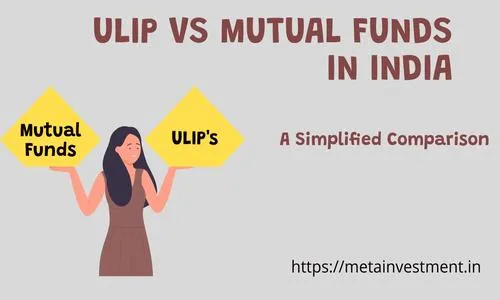
ULHP विरुद्ध म्युच्युअल फंड: एक सोपी तुलना
Cancer Fund मधील "Fund" वरवर पाहता म्युच्युअल फंड SIP सारखा दिसू शकतो. पण ते एकसारखे नाहीत.
| वैशिष्ट्य | Unit Linked Health Plan (ULHP) | म्युच्युअल फंड |
|---|---|---|
| मुख्य उद्देश | विमा संरक्षण अधिक गुंतवणूक | फक्त गुंतवणूक |
| नियामक | IRDAI | SEBI / AMFI |
| विमा कव्हर | अंतर्भूत | नाही |
| लॉक-इन | 5 वर्षे (अनिवार्य) | नाही (ELSS सोडून: 3 वर्षे) |
| तरलता | लॉक-इन काळात कमी | जास्त (ओपन-एंडेड फंड) |
| शुल्क | अनेक, स्तरित | एकच एक्स्पेन्स रेशो |
| परतावा | बाजाराशी निगडित, हमी नाही | बाजाराशी निगडित, हमी नाही |
| कर | विमा नियमांनुसार, अटी लागू | कॅपिटल गेन्स नियमांनुसार |
शैक्षणिक मुद्दे:
- ULHP चे मूल्यमापन प्रामुख्याने त्याच्या विमा संरक्षणाच्या मूल्यावरून करावे; गुंतवणूक हे दुय्यम वैशिष्ट्य आहे ज्यासोबत शुल्क व लॉक-इन येतात.
- म्युच्युअल फंडाचे मूल्यमापन पूर्णपणे गुंतवणूक म्हणून करावे — सामान्यतः कमी खर्चाचे व अधिक तरल, पण त्यासोबत कोणतेही संरक्षण नाही.
- विमा व गुंतवणूक वेगळे ठेवून प्रत्येकाचे स्वतंत्र मूल्यमापन करावे — एकाच बंडल उत्पादनाकडून दोन्ही उत्तम अपेक्षिण्याऐवजी — हा एक व्यापकपणे चर्चिला जाणारा आर्थिक-नियोजन तत्त्व आहे.
- बंडल की वेगळा दृष्टिकोन तुम्हाला योग्य ठरतो, हे तुमची उद्दिष्टे, रोख प्रवाह, शिस्त व जोखीम सहनशीलतेवर अवलंबून.
बाजाराशी निगडित गुंतवणूक — ULHP फंड असो वा म्युच्युअल फंड — बाजार जोखमींच्या अधीन असते. युनिटचे मूल्य वाढू किंवा घटू शकते, आणि मागील कामगिरी भविष्यात टिकेलच असे नाही.
भारतातील तत्सम कॅन्सर व गंभीर आजार योजना
एक व्यापक, शैक्षणिक झलक (वैशिष्ट्ये व व्याख्या वारंवार बदलतात — सध्याचे ब्रोशर पडताळा):
| विमा कंपनी / योजना | प्रकार | ठळक वैशिष्ट्ये |
|---|---|---|
| Tata AIA Sampoorna Care – Cancer | समर्पित कॅन्सर, लाभ-आधारित | उत्पन्न बदली, ₹50L पर्यंत, overseas booster, RoP पर्याय |
| HDFC Life Cancer Care | समर्पित कॅन्सर, लाभ-आधारित | सुरुवातीचा व प्रगत टप्पा, प्रीमियम माफी, उत्पन्न पर्याय |
| ICICI Pru Heart & Cancer Protect | कॅन्सर + कार्डियाक, लाभ-आधारित | बिलाची पर्वा न करता पहिल्या निदानावर पेआउट |
| CI रायडर (ICICI Pru, HDFC Life, Axis Max Life) | टर्म योजनेवर रायडर | 20–60 आजार; बहुधा प्रगत टप्प्यावर देय |
| Niva Bupa CritiCare / Bajaj Allianz / Tata AIG Criticare | गंभीर आजार | कव्हर केलेल्या आजारांवर एकरकमी; आजार यादी व सर्व्हायव्हल पीरियड तपासा |
- समर्पित कॅन्सर योजना बहुधा सुरुवातीच्या व प्रगत दोन्ही टप्प्यांना कव्हर करतात.
- अनेक गंभीर आजार रायडर/योजना फक्त प्रगत ("specified severity") टप्प्यावर देय असतात व in-situ किंवा सुरुवातीच्या टप्प्यातील कॅन्सर वगळतात.
- योग्य रचना तुम्ही कोणती पोकळी भरू पाहत आहात यावर अवलंबून असते.
योग्यता: कोणी विचार करावा?
"कोणी खरेदी करावी" ऐवजी "कोणी याचे मूल्यमापन करावे व का" या दृष्टीने विचार करा.
- ज्यांच्या कुटुंबात कॅन्सरचा इतिहास आहे किंवा या आजाराबद्दल अधिक काळजी आहे.
- प्रमुख कमावते ज्यांच्यावर अवलंबून व्यक्ती, गृहकर्ज किंवा शिक्षण उद्दिष्टे आहेत, आणि ज्यांच्यासाठी उत्पन्नातील खंड आर्थिक अस्थैर्य आणेल.
- ज्यांच्याकडे आधीच सर्वंकष आरोग्य पॉलिसी व टर्म कव्हर आहे व उत्पन्न सातत्यासाठी अतिरिक्त लाभ-आधारित स्तर हवा आहे.
कोणत्याही गुंतवणूक श्रेणीची योग्यता ही गुंतवणूकदाराची आर्थिक उद्दिष्टे, जोखीम स्वीकारण्याची क्षमता, गुंतवणुकीचा कालावधी आणि एकूण आर्थिक परिस्थिती यावर अवलंबून असते.
विशेषतः फंड भागाचे मूल्यमापन कोणत्याही बाजाराशी निगडित, लॉक-इन असलेल्या उत्पादनासारखे करा — शुल्क, 5 वर्षांचा लॉक-इन व परतावा हमीचा नाही हे समजून — आणि त्याची तुलना गुंतवणूक वेगळ्या, अधिक तरल साधनांत ठेवण्याशी करा.
महत्त्वाचे मुद्दे
- Sampoorna Care – Cancer ही लाभ-आधारित कॅन्सर योजना आहे (₹50 लाखांपर्यंत) — 5 वर्षांपर्यंत उत्पन्न-बदली पेआउट पर्याय व प्रवेशाच्या वेळी प्रीमियम दर लॉक.
- Sampoorna Care – Cancer Fund त्यावर बाजाराशी निगडित हेल्थ सेव्हिंग्ज इंजिन (Tata AIA Health SIP वर आधारित ULHP) जोडते, ज्याचा परतावा निश्चित नाही.
- ULHP विमा व गुंतवणूक एकत्र करते, त्यात स्तरित शुल्क व 5 वर्षांचा लॉक-इन असतो; म्युच्युअल फंड ही शुद्ध, अधिक तरल, सामान्यतः कमी खर्चाची गुंतवणूक आहे.
- समर्पित कॅन्सर योजना बहुधा सुरुवातीचा व प्रगत दोन्ही टप्पा कव्हर करतात; अनेक गंभीर आजार योजना फक्त प्रगत टप्प्यावर देय असतात.
- विमा व गुंतवणुकीचे वेगवेगळे मूल्यमापन करता येते; योग्यता वैयक्तिक असते.
Meta Investment का?
Meta Investment, पुण्यातील AMFI-नोंदणीकृत म्युच्युअल फंड वितरक, कोणत्याही निर्णयापूर्वी एखादे उत्पादन काय करते व ते तुमच्या योजनेत का बसू शकते किंवा नाही, हे समजावण्याचे काम करते.
- सुजाण निवड: खर्च, अटी व तडजोडींचे स्पष्ट स्पष्टीकरण.
- उद्दिष्टांशी सुसंगती: पर्याय तुमच्या उद्दिष्टे व जोखीम प्रोफाइलशी जुळवणे.
- पारदर्शकता: कॅन्सर योजना असो, हेल्थ फंड असो वा म्युच्युअल फंड SIP — सोप्या भाषेत मार्गदर्शन.
Interested in Investing? Connect with Meta Investment
Meta Investment is a financial product distribution and services firm. If you'd like to explore whether a financial product is the right fit for your portfolio, our team will walk you through the details, help you assess suitability, and guide you through the onboarding process.
येथे उल्लेखलेली विमा उत्पादने संबंधित विमा कंपन्यांकडून अंडररायटेड व IRDAI द्वारे नियंत्रित आहेत. उत्पादन वैशिष्ट्ये, UIN, वेटिंग/सर्व्हायव्हल पीरियड, अपवाद, शुल्क व प्रीमियम लेखनाच्या वेळेनुसार समजले असून ते बदलू शकतात — कोणतीही खरेदी अंतिम करण्यापूर्वी अधिकृत सेल्स ब्रोशर, बेनिफिट इलस्ट्रेशन व पॉलिसी दस्तऐवज वाचा आणि विमा कंपनीच्या संकेतस्थळावर (उदा. tataaia.com) सध्याचे तपशील पडताळा.
कोणत्याही गुंतवणूक श्रेणीची योग्यता ही गुंतवणूकदाराची आर्थिक उद्दिष्टे, जोखीम स्वीकारण्याची क्षमता, गुंतवणुकीचा कालावधी आणि एकूण आर्थिक परिस्थिती यावर अवलंबून असते.
जर गुंतवणूक म्युच्युअल फंड वितरकामार्फत केली गेली, तर वितरकाला Asset Management Companies कडून कमिशन मिळू शकते. अशा कमिशनचा योग्यतेवर आधारित शिफारशींवर प्रभाव पडू नये.
म्युच्युअल फंडातील गुंतवणूक बाजार जोखमींच्या अधीन असते. गुंतवणुकीपूर्वी योजनेशी संबंधित सर्व कागदपत्रे काळजीपूर्वक वाचा.
कर लाभ व करमुक्त वागणूक ही प्रचलित आयकर कायद्यातील अटींवर अवलंबून असते, जो बदलू शकतो व उत्पादन रचनेनुसार वेगळा असतो. तुमच्या विशिष्ट परिस्थितीसाठी पात्र कर सल्लागाराचा सल्ला घ्या.
हा संवाद केवळ शैक्षणिक व माहितीच्या उद्देशाने आहे आणि तो गुंतवणूक सल्ला, शिफारस, किंवा कोणतेही आर्थिक उत्पादन खरेदी/विक्री करण्याचे आवाहन म्हणून समजू नये.
Meta Investment – Your Investment and Insurance Companion.
वारंवार विचारले जाणारे प्रश्न
Tata AIA Sampoorna Care – Cancer म्हणजे काय?
Sampoorna Care – Cancer ही Tata AIA Life Insurance ची कॅन्सर-केंद्रित विमा योजना आहे (Non-Participating, Non-Linked Individual Health Product, UIN: 110N186V01). कव्हर केलेल्या कॅन्सर निदानावर ती ₹50 लाखांपर्यंत निश्चित लाभ देते. हा लाभ नियमित मासिक उत्पन्न, 100% एकरकमी, किंवा आगाऊ रक्कम अधिक 5 वर्षांपर्यंत उत्पन्न अशा स्वरूपात घेता येतो. ती केवळ रुग्णालयाचे बिल भरण्यासाठी नव्हे, तर गमावलेले उत्पन्न भरून काढण्यासाठी व उपचारांना आधार देण्यासाठी रचली आहे.
Sampoorna Care – Cancer Fund व Sampoorna Care – Cancer यांत फरक काय?
Sampoorna Care – Cancer ही शुद्ध कॅन्सर-संरक्षण योजना आहे. Sampoorna Care – Cancer Fund त्याच संरक्षणाला Tata AIA Health SIP – एक Unit Linked Health Insurance Plan (UIN: 110L184V02) या बाजाराशी निगडित हेल्थ सेव्हिंग्ज घटकासह जोडते. पॉलिसीधारक त्यांच्या कॅन्सर प्रीमियमच्या एक ते तीन पट रक्कम फंडात टाकू शकतात आणि योजनेच्या अटींनुसार पात्र आरोग्य खर्चांसाठी रक्कम काढू शकतात. फंडाचे मूल्य बाजारानुसार बदलते, त्यामुळे परतावा निश्चित नसतो.
Unit Linked Health Plan (ULHP) म्हणजे काय?
Unit Linked Health Plan हे एक विमा उत्पादन आहे जे आरोग्य कव्हर व बाजाराशी निगडित गुंतवणूक घटक एकत्र करते. तुमच्या प्रीमियमचा काही भाग विमा संरक्षण व शुल्कासाठी वापरला जातो; उरलेला भाग युनिट-लिंक्ड फंडांमध्ये गुंतवला जातो, ज्यांचे मूल्य बाजारानुसार वाढते किंवा घटते. ULHP मध्ये सामान्यतः 5 वर्षांचा लॉक-इन असतो, ज्या काळात गुंतवलेली रक्कम पूर्ण किंवा अंशतः काढता येत नाही.
ULHP व म्युच्युअल फंड यांत फरक काय?
म्युच्युअल फंड हे SEBI द्वारे नियंत्रित शुद्ध गुंतवणूक उत्पादन आहे — त्यात विमा अंतर्भूत नसतो, खर्च सामान्यतः कमी असतो व तरलता जास्त असते (ELSS सोडून लॉक-इन नाही). ULHP विमा व गुंतवणूक एकत्र करते, IRDAI द्वारे नियंत्रित असते, त्यात अनेक शुल्क (अलोकेशन, मॉर्टॅलिटी/मॉर्बिडिटी, फंड मॅनेजमेंट, अॅडमिन) व 5 वर्षांचा लॉक-इन असतो. दोन्ही वेगवेगळ्या उद्देशांसाठी आहेत: एक संरक्षण-सह-गुंतवणूक, तर दुसरे फक्त गुंतवणूक.
Sampoorna Care – Cancer किती कव्हर देते व त्याचा खर्च किती?
ही योजना ₹50 लाखांपर्यंत कॅन्सर कव्हर देते. Tata AIA च्या स्वतःच्या उदाहरणानुसार, 20 वर्षांच्या पुरुषासाठी, स्टँडर्ड लाइफ, ₹50 लाख सम अॅशुअर्ड, 30 वर्षे मुदत (रेग्युलर पे) साठी मासिक प्रीमियम सुमारे ₹371 दाखवला आहे. तुमचा प्रत्यक्ष प्रीमियम वय, लिंग, आरोग्य, मुदत व पेआउट पर्यायावर अवलंबून असतो, त्यामुळे नेहमी वैयक्तिक बेनिफिट इलस्ट्रेशन मागवा.
या कॅन्सर योजनेतील उत्पन्न बदली (income replacement) वैशिष्ट्य काय आहे?
उत्पन्न बदली म्हणजे लाभ फक्त एकरकमी न देता पगारासारखा नियमित मासिक स्वरूपात देता येतो. रुग्ण उपचार व बरे होण्याच्या काळात काम करू शकत नसेल, तर यामुळे कुटुंबाचा रोख प्रवाह टिकून राहण्यास मदत होते. Sampoorna Care – Cancer हा उत्पन्न पर्याय 5 वर्षांपर्यंत देते, जे विमा कंपनी पारंपरिक कॅन्सर योजनांच्या तुलनेत वेगळेपण म्हणून सांगते.
या योजनेतील 'रिटर्न ऑफ प्रीमियम' म्हणजे काय?
जर रिटर्न-ऑफ-प्रीमियम पर्याय निवडला असेल व कोणताही कॅन्सर क्लेम केला गेला नसेल, तर पॉलिसी मुदतीच्या शेवटी भरलेले एकूण प्रीमियम (सवलती व आधी दिलेले क्लेम वगळून) परत मिळू शकतात — मात्र लाइफ अॅशुअर्ड जिवंत असणे व पॉलिसी सुरू असणे आवश्यक. या पर्यायामुळे प्रीमियम वाढतो, त्यामुळे खर्च व लाभ यांचा तोल पाहा.
कॅन्सर विम्यातील सर्व्हायव्हल पीरियड व वेटिंग पीरियड म्हणजे काय?
वेटिंग पीरियड म्हणजे पॉलिसी घेतल्यानंतरचा सुरुवातीचा काळ (बहुधा सुमारे 90 दिवस) ज्यात कॅन्सर क्लेम सहसा देय नसतो. सर्व्हायव्हल पीरियड म्हणजे निदानानंतर लाभ मिळण्यासाठी विमाधारकाने जगणे आवश्यक असलेला अल्प कालावधी (सामान्यतः 7–30 दिवस). या अटी विमा कंपनीनुसार वेगळ्या असतात व खरेदीपूर्वी तपासण्यासाठी सर्वांत महत्त्वाच्या असतात.
इतर विमा कंपन्या अशा कॅन्सर किंवा गंभीर आजार योजना देतात का?
होय. समर्पित कॅन्सर योजनांमध्ये HDFC Life Cancer Care (प्रीमियम माफी व उत्पन्न पर्यायांसह) येते, तर कॅन्सरचा समावेश असलेल्या गंभीर आजार योजनांमध्ये ICICI Pru Heart & Cancer Protect, Bajaj Allianz Critical Illness, Tata AIG Criticare, Niva Bupa CritiCare व Star च्या गंभीर आजार योजना येतात. समर्पित कॅन्सर योजना बहुधा सुरुवातीच्या व प्रगत टप्प्यांना कव्हर करतात, तर अनेक गंभीर आजार योजना फक्त प्रगत ('specified severity') टप्प्यावर देय असतात. वैशिष्ट्ये व व्याख्या बदलत राहतात, त्यामुळे सध्याचे ब्रोशर तपासा.
ULHP हा म्युच्युअल फंड SIP चा पर्याय आहे का?
हे थेट पर्याय नाहीत. ULHP संरक्षण व बाजाराशी निगडित गुंतवणूक एकत्र करते, त्यात शुल्क व 5 वर्षांचा लॉक-इन असतो, आणि त्याचे मूल्यमापन त्याच्या विमा मूल्यावरून करावे. म्युच्युअल फंड SIP ही शुद्ध गुंतवणूक आहे — जास्त तरलता व सामान्यतः कमी खर्च, पण विमा नाही. विमा व गुंतवणूक वेगळे ठेवून प्रत्येकाचे स्वतंत्र मूल्यमापन करावे, हा एक व्यापकपणे चर्चिला जाणारा आर्थिक-नियोजन दृष्टिकोन आहे. योग्यता तुमची उद्दिष्टे, जोखीम प्रोफाइल व परिस्थितीवर अवलंबून असते.
Unit Linked Health Plan वर कर कसा लागतो?
आरोग्य उत्पादनांच्या विमा प्रीमियमवर वजावट मिळू शकते व पेआउट/विथड्रॉवल करमुक्त असू शकतात, परंतु हे प्रचलित आयकर कायद्यातील अटींवर अवलंबून असते, जो कालांतराने बदलतो व उत्पादन रचनेनुसार वेगळा असतो. Tata AIA स्वतः कर सल्लागाराचा सल्ला घेण्यास सांगते. करमुक्ततेचे गृहीत धरू नका; तुमच्या विशिष्ट परिस्थितीसाठी पात्र कर सल्लागार व अधिकृत स्रोतांकडून पडताळणी करा.
समर्पित कॅन्सर योजनेचा विचार कोणी करावा?
ज्यांच्या कुटुंबात कॅन्सरचा इतिहास आहे, जे कुटुंबातील प्रमुख कमावते आहेत, किंवा ज्यांना रुग्णालय-बिल आधारित आरोग्य विम्यापलीकडे उत्पन्न सातत्य हवे आहे, अशा व्यक्ती समर्पित कॅन्सर योजनेचे मूल्यमापन करू शकतात. ती सामान्यतः सर्वंकष आरोग्य विमा व टर्म योजनेच्या जोडीने काम करते, त्यांना पर्याय म्हणून नव्हे. योग्यता तुमची उद्दिष्टे, विद्यमान कव्हर, बजेट व जोखीम सहनशीलतेवर अवलंबून असते.
कॅन्सर विमा योजना नियमित आरोग्य विम्याची जागा घेते का?
नाही. लाभ-आधारित कॅन्सर योजना प्रत्यक्ष बिलाची पर्वा न करता निदानावर निश्चित रक्कम देते, तर नियमित (indemnity) आरोग्य विमा प्रत्यक्ष रुग्णालय खर्चाची परतफेड करतो. दोन्ही वेगवेगळ्या गरजा भरून काढतात. बहुतेकांना आधी सर्वंकष आरोग्य योजना ठेवून, नंतर कॅन्सर किंवा गंभीर आजार लाभ योजना अतिरिक्त स्तर म्हणून विचारात घेण्याचा सल्ला दिला जातो.
अचूक वैशिष्ट्ये व प्रीमियम कुठे पडताळावेत?
नेहमी विमा कंपनीच्या संकेतस्थळावरील (Tata AIA साठी tataaia.com) अधिकृत सेल्स ब्रोशर, बेनिफिट इलस्ट्रेशन व पॉलिसी दस्तऐवज वाचा, आणि UIN, वेटिंग/सर्व्हायव्हल पीरियड, अपवाद व शुल्क तपासा. उत्पादन वैशिष्ट्ये व कर नियम बदलू शकतात, त्यामुळे निर्णयापूर्वी सध्याचे तपशील विमा कंपनी किंवा परवानाधारक सल्लागाराकडून पडताळा.


म्युच्युअल फंड अपडेट्स, SIP टिप्स आणि बाजारात काय घडतंय. रोजचा गोंधळ नाही — फक्त वाचण्यासारखं काही असेल तेव्हाच.
Read more about
- Tata AIA Sampoorna Care – Cancer & Cancer Fund Explained
- चांदीमध्ये गुंतवणूक करण्याची अंतिम मार्गदर्शिका: डिजिटल, ETF आणि भौतिक पर्याय
- पिगी बँक ते पोर्टफोलिओ: वडिल दिनासाठी संपत्ती निर्मितीची मार्गदर्शिका
- निदो होम फायनान्स एनसीडी २०२५: सुरक्षित १०.७५% परतावा | CRISIL A+ रेट केलेली गुंतवणूक
- बजाज फिनसर्व स्मॉल कॅप फंड NFO 2025 – उच्च-वाढीची गुंतवणूक संधी
- डिजिटल युगात वैयक्तिक, पारदर्शी आर्थिक सल्ल्याचे महत्त्व
- RBI चा ऑगस्ट 2025 MPC बैठक: प्रमुख हायलाइट्स आणि तुमच्यासाठी काय अर्थ आहे
- मणिपालसिग्ना सर्वाह उत्तम हेल्थ इन्शुरन्स प्लॅन: अनन्य फायद्यांसह संपूर्ण कव्हरेज
- म्युच्युअल फंड आता नवीन स्टॅटस सिंबल (बँक बॅलन्स नाही)
- स्वातंत्र्यसैनिक ते आर्थिक स्वातंत्र्यापर्यंत: जनरेशन झेडची गुंतवणूक आणि स्वातंत्र्यदिनाचे धडे
- आर्थिक स्वातंत्र्यासाठी ८ स्वातंत्र्यांची चेकलिस्ट
- पगारापेक्षा जास्त महत्त्वाची असणारी आर्थिक हिरवी निशाणे
Related Posts


This communication is intended solely for general educational and informational purposes. The information provided is general in nature and does not take into account the specific financial goals, risk profile, investment horizon, financial circumstances or other requirements of any particular investor. It should not be construed as personalised investment advice or as a recommendation to buy, sell or hold any specific financial product.
Mutual Fund investments are subject to market risks. Please read all scheme-related documents carefully before investing. Past performance is not indicative of future results and may not be sustained.
The suitability of any mutual fund product, scheme, category or strategy discussed on this page depends on an investor's individual circumstances, including financial goals, risk appetite, investment horizon and liquidity requirements. Investors should independently assess suitability and, where appropriate, seek professional advice before making investment decisions.
Meta Investment is an AMFI-registered Mutual Fund Distributor (ARN-129322) and is not a SEBI-registered Investment Adviser. If investments are made through a mutual fund distributor, the distributor may receive commission from Asset Management Companies in respect of eligible Regular Plan investments. Commission structures may vary across schemes and AMCs. Such commissions should not influence suitability-based recommendations, and applicable conflicts of interest will be disclosed. Please refer to our Commission Disclosure for further details.
Tax treatment of mutual fund investments depends on individual circumstances and prevailing tax laws, which are subject to change. Investors should consult a qualified tax professional for advice specific to their circumstances.
This disclaimer is intended to provide general disclosure and does not replace any scheme-specific disclosures, risk factors, regulatory disclosures or information contained in the applicable Scheme Information Document (SID), Statement of Additional Information (SAI) and Key Information Memorandum (KIM).
Distributor Disclosure: Where this content is provided by a distributor/intermediary, any applicable commission, remuneration, affiliation or other material conflict of interest shall be disclosed separately. The availability of a product through the distributor does not by itself imply that the product is suitable for every investor.
No Guarantee: No statement on this page should be interpreted as a promise, assurance or guarantee of returns or investment outcomes.
Meta Investment – Your Investment and Insurance Companion