
"10 Reasons to invest in Arbitrage Funds"
Looking for a way to potentially generate consistent returns with lower risk? Arbitrage funds in India might be a good fit for your investment portfolio.

These funds exploit price discrepancies between different markets or securities to earn profits. As per SEBI guidelines on classification, arbitrage funds are classified as hybrid mutual funds.
How Arbitrage Funds Work?
Arbitrage refers to taking advantage of price differences between markets for the same or similar asset to make a profit. It's essentially a strategy of buying low and selling high, but with a twist: arbitrage involves exploiting short-term discrepancies in prices across different marketplaces.
Imagine a stock trading at ₹100 on the National Stock Exchange (NSE) and ₹102 on the Bombay Stock Exchange (BSE). An arbitrage fund can capitalize on this difference by buying on the NSE and selling on the BSE, pocketing the ₹2 profit.
Overall, arbitrage is a way to capitalize on market inefficiencies and generate profits through quick trades. It's a strategy employed by both individual investors and large financial institutions.
Reasons to Invest in Arbitrage Fund
-
Diversification: Arbitrage funds provide a way to diversify your investment portfolio by exploiting price differences in related financial instruments across different markets.
-
Risk Mitigation: Arbitrage funds help in reducing the risk of adverse market movements by taking advantage of price discrepancies across related securities in different markets.
-
Consistent Returns: Arbitrage funds aim to generate consistent returns by exploiting price differences in related financial instruments across different markets.
-
Low Volatility: Arbitrage funds have lower volatility compared to other investment options, making them suitable for investors seeking stable returns.
-
Liquidity: Arbitrage funds typically offer high liquidity, allowing you to easily redeem your investment when needed.
-
Low Dependency on Market Timing: Arbitrage funds do not rely heavily on market timing, as they primarily rely on price differences between related financial instruments in different markets.
-
Low Transaction Costs: Arbitrage funds generally have low transaction costs as they involve buying and selling related financial instruments in the secondary market.
-
Tax Efficiency: If held for over a year, arbitrage funds benefit from long-term capital gains tax treatment in India, which is 10% at present. If held for less than 1 year then it will be treated as short-term capital gains. So gains from arbitrage funds can be adjusted against capital loss from other security transactions.
-
Regular Updates: Arbitrage funds are actively managed and continuously monitored, allowing the fund manager to take advantage of new opportunities as they arise.
-
Expertise of Fund Managers: The fund managers responsible for arbitrage funds have extensive experience and expertise in managing such funds, ensuring that your investment is in capable hands.
Where do Arbitrage Funds invest?
Arbitrage funds in India typically invest in a combination of equity and derivative instruments. These funds capitalize on price differentials between the cash and futures market of equities. The strategy involves simultaneously buying and selling securities to profit from the price inefficiencies. Arbitrage funds may also invest in debt instruments to enhance returns or manage risk. Overall, they aim to generate returns by exploiting short-term opportunities while maintaining a relatively low-risk profile.
Riskometer of Arbitrage Funds
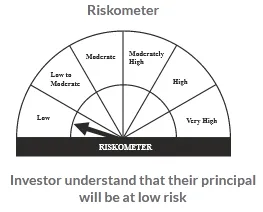
Due to their tendency to experience minimal fluctuations in value over time, Arbitrage funds are often associated with a low volatility riskometer rating. This rating signifies the relatively stable nature of these funds, indicating that they typically carry lower levels of market risk compared to other investment options. Investors may find Arbitrage funds attractive for their ability to provide steady returns with reduced exposure to market volatility, thus aligning with risk-averse investment strategies.
Who Should Consider Arbitrage Funds?
For those prioritizing capital preservation and consistent returns, Arbitrage Funds are suitable for short to medium-term horizons. Diversifying your portfolio with low-risk investments can enhance stability and provide a balanced approach to wealth management.


म्युच्युअल फंड अपडेट्स, SIP टिप्स आणि बाजारात काय घडतंय. रोजचा गोंधळ नाही — फक्त वाचण्यासारखं काही असेल तेव्हाच.
Read more about
- EMI vs SIP
- From Millennials To Millionaires
- Berar Aug'22 Bond's
- Rupeek Bonds
- Investing for Building Wealth: What Cricket Can Teach Us
- 5 Steps to Getting Started in Investing for Young Indians
- Happy Akshaya Trithiya
- Impact Investing with P2P Lending
- The Power of Chai, SIP, and Building Long-Term Wealth
- Balancing Financial Independence - Drawing Lessons from Shivaji Maharaj
- Barni's Magic: Rani's Financial Adventure
- Sovereign Gold Bond 2023 Tranch II
- 🌟 Exclusive Ganesh Chaturthi Offer 🌟
- ULIP vs Mutual Funds in India
- Unlocking Opportunities: Investing in US Stocks for Indians
- quant Mutual Fund launched new NFO with consumption theme
- 10.4% EDELWEISS FINANCIAL SERVICES Secured NCD Open for subscription
- HDFC Mutual Funds Year Book 2024
- 10.75% NIDO Home Finance NCD
- Edelweiss Mutual Fund launched new NFO with Technology theme
- 11.19% Navi Finserve NCD Public Issue
- All about HDFC Reality Index Fund NFO
- Unlocking Your Life Goals - Overcoming Financial Barriers with Smart Investments
- No Smoking Day - Invest in Your Health and Wealth
- Demystifying SM REITs (Small and Medium Real Estate Investment Trusts)
- "10 Reasons to invest in Arbitrage Funds"
- Motilal Oswal Nifty Microcap 250 Index Fund - High Risk, High Reward Potential?
- Ensuring Retirement Bliss: Key Factors to Assess Retirement Income Sufficiency
- Using Capital Gains Bonds in India to Maximizing Wealth Growth
- The Tax Harvesting Garden - Cultivating Wealth with Care
- Invest in this Nifty 50 Index Fund to Save Tax
- P2P Association Pauses Liquid Funds in India: What You Need to Know
- Kaun thi woh AUNTY?
- A Look Back at 10 Years of Performance of Equity schemes of NPS
- Trust MF launches Flexicap Fund NFO
- Calling All Investors: Two New NCDs Hit the Market!
- जुनं फर्निचर Juna Furniture (Old Furniture): A Stark Reminder of the Importance of Retirement Planning
- NFO Alert : Bandhan Mutual Fund Launches Innovation Fund
- Ram Navami: A Time for Reflection, Financial Planning, and New Beginnings
- Jain Principles for a Prosperous and Ethical Investment Journey
- Earn More Than Traditional Fixed Income with Market-Linked Debentures
- A Fresh Perspective on Portfolio Management Services (PMS) for NRI/HNI Investors
- Diversifying Your Investments: Multi Cap vs. Flexi Cap vs. Multi Asset Mutual Funds
- Brewing a Better Future: How Chai Can Teach You About Smart Investments
- Demystifying Annuities: Your Retirement Income Lifeline?
- Riding the Waves: Unveiling Business Cycle Funds in India
- 10.75% NIDO Home Finance NCD
- Considering a positive outlook for TCS or Titan? These new MLDs might be for you!
- Tap Growth Potential in Pre-IPO Companies with this Fund
- Mutual Fund Mystery: Online Platform, Missing Money?
- Top 10 Reasons Motilal Oswal's FAB Plan Can Be Your Retirement Buddy!
- Private Credit: Loans Beyond the Bank
- 11% EDELWEISS FINANCIAL SERVICES Secured NCD Open for subscription
- Taxation- Capital Gains- Revised Rates vs Previous Rate
- Meta Investment App Now Available in Google Play Store
- Why Large-Cap Mutual Funds are a Smart Investment Choice in India Now?
- RBI Floating Rate Savings Bonds: A Flexible Investment Option for Uncertain Times
- One Idiot: A Movie Where the Only Idiot is the One Who Doesn't Watch It (Probably)
- Journey to Financial Independence
- Large and Mid Cap Mutual Funds: The Best of Both Worlds
- 10.10% MUTHOOT FINCORP NCD Open for Subscription
- Retirement Planning for Young Indians
- ₹800 crore Adani NCD Opens for Subscription: Is it the Right Investment for You?
- SIP Saheli: HDFC MF's Masterclass Empowers Women to Take Charge of Their Financial Future
- 10.75% Sammaan Capital Ltd NCD Open for Subscription
- 11.00% NIDO Home Finance NCD
- 11% Edelweiss Financial Services NCD Opens for Subscription
- Why Now is a Good Time to Consider Target Maturity Index Funds
- Building Your Layer Cake
- MOIC: A Comprehensive Guide
- The Ever-Shifting Sands: Why Asset Allocation is Key to Investment Success
- Financial Independence for Our Heroes: Investment Strategies for Indian Army Personnel
- Myths of Index Investing in India
- Equity Linked Savings Schemes
- A New Way to Play India's Large-Cap Growth Story
- Navigating The Current Equity Market Correction
- Pre-Budget Portfolio Tune-Up: 3 Things to Consider Now
- Key Union Budget Announcements - 2025
- Union Budget 2025: TDS/TCS Changes & Personal Income Tax Slab Changes
- Love on a Budget: Sweet Valentine's Day & Smart Financial Moves
- Gold Investments: A Casual WhatsApp Group Discussion of Friends (Ft. Bachat Babu’s Wisdom)
- From Cricket to Code to Fitness: Investment Lessons from India’s ICC Champions Trophy 2025 Win
- How to Invest Like You Train: Discipline, Consistency, and Growth
- Usain Bolt vs. Eliud Kipchoge: What Runners Can Learn About Trading and Investing
- Phillip Income Builder Portfolio Review: Fixed Income PMS for HNIs & Stable Returns
- Edelweiss NCDs 2025 – Secure 9.5% to 11% Returns | Best Fixed-Income Investment
- Edelweiss Gold Structured Products: A Smart Way to Invest in Gold with Principal Protection
- NRI Mutual Fund Taxation: How DTAA Can Save You Tax (Anushka Shah Case)
- Muthoot Tranche V NCD Public Issue: A High-Yield Fixed Income Opportunity
- HDFC Life Click 2 Achieve – Guaranteed Savings Plan with Life Cover
- New SEBI-Validated UPI IDs: Secure Payments for Investors Explained
- Adani Enterprises NCDs 2025 – Safe Investment with 9.3% Returns?
- Bajaj Finserv Small Cap Fund NFO 2025 – High-Growth Investment Opportunity
- 📈💰 World Emoji Day Special: Smart Investing, SIP & Wealth Growth Made Fun! 🚀💡
- Mutual Funds Are the New Status Symbol (Not Your Bank Balance)
- Mutual Fund Scheme Name Changes in India (2025) – Complete List & Reasons
- Begin Your Wealth Journey This Ganesh Chaturthi: Ganpati-Inspired Mutual Fund Lessons
- Tata AIA Health SIP Review 2025: A Smart Health + Investment Plan?
- NPCI Raises UPI Transaction Limits: A Complete Guide to High-Value Payments from Sept 2025
- Tired of Market Volatility? Two New Smart Investment Ideas for 2025
- India’s First Specialized Investment Fund (SIF): Bridge Between MF & PMS | quant Guide
- New GST Changes 2025: Impact on Investors, Sectors, and Mutual Fund Opportunities
- Beyond the Market Rollercoaster: A Guide to the Altiva Hybrid Long-Short SIF | Edelweiss MF
- The Dream and the Nightmare: Honoring Final Wishes Amid Life’s Uncertainties
- RBI Holds Rates Steady: What the October 2025 Policy Means for Your Wallet and Investments
- World Financial Planning Day 2025: Why Urban India Needs Smart Financial Planning
- Year-End Review: Mutual Fund Categories & Performance Explained
- Minor Folio in Mutual Funds: Secure Your Child's Financial Future
- मोतीलाल ओसवालचा FAB प्लान तुमचा सेवानिवृत्तीचा साथीदार का असू शकतो? याची टॉप 10 कारणे!
- तुमच्या प्रशिक्षणाप्रमाणे गुंतवणूक कशी करावी: शिस्त, सातत्य आणि वाढ
- उसेन बोल्ट विरुद्ध एलिउड किपचोगे: धावपटू ट्रेडिंग आणि गुंतवणुकीबद्दल काय शिकू शकतात
- फिलिप इनकम बिल्डर पोर्टफोलिओ पुनरावलोकन: HNIs आणि स्थिर परताव्यासाठी फिक्स्ड इनकम PMS
- एडलवाइस NCD 2025 – 9.5% ते 11% सुरक्षित परतावा | सर्वोत्तम निश्चित उत्पन्न गुंतवणूक
- एडलवाईस गोल्ड स्ट्रक्चर्ड प्रॉडक्ट्स: मुद्दल सुरक्षित ठेवून सोन्यात गुंतवणूक करण्याचा हुशार मार्ग
- NRI म्युच्युअल फंड कर: DTAA मदतीने कसे कर बचत करू शकता (अनुष्का शहा केस)
- मुथूट ट्रान्शे V एनसीडी पब्लिक इश्यू: उच्च-परतावा देणारी स्थिर उत्पन्नाची संधी
- HDFC Life Click 2 Achieve – निश्चित बचत योजना आणि जीवन विमा संरक्षण
- 📈💰 वर्ल्ड इमोजी डे स्पेशल: SIP आणि गुंतवणूक मजेशीर पद्धतीने! 🚀💡
- एप्रिल २०२५ पासून भारतातील म्युच्युअल फंड स्कीमच्या नावातील बदल - संपूर्ण यादी आणि कारणे
Related Posts


This communication is intended solely for general educational and informational purposes. The information provided is general in nature and does not take into account the specific financial goals, risk profile, investment horizon, financial circumstances or other requirements of any particular investor. It should not be construed as personalised investment advice or as a recommendation to buy, sell or hold any specific financial product.
Mutual Fund investments are subject to market risks. Please read all scheme-related documents carefully before investing. Past performance is not indicative of future results and may not be sustained.
The suitability of any mutual fund product, scheme, category or strategy discussed on this page depends on an investor's individual circumstances, including financial goals, risk appetite, investment horizon and liquidity requirements. Investors should independently assess suitability and, where appropriate, seek professional advice before making investment decisions.
Meta Investment is an AMFI-registered Mutual Fund Distributor (ARN-129322) and is not a SEBI-registered Investment Adviser. If investments are made through a mutual fund distributor, the distributor may receive commission from Asset Management Companies in respect of eligible Regular Plan investments. Commission structures may vary across schemes and AMCs. Such commissions should not influence suitability-based recommendations, and applicable conflicts of interest will be disclosed. Please refer to our Commission Disclosure for further details.
Tax treatment of mutual fund investments depends on individual circumstances and prevailing tax laws, which are subject to change. Investors should consult a qualified tax professional for advice specific to their circumstances.
This disclaimer is intended to provide general disclosure and does not replace any scheme-specific disclosures, risk factors, regulatory disclosures or information contained in the applicable Scheme Information Document (SID), Statement of Additional Information (SAI) and Key Information Memorandum (KIM).
Distributor Disclosure: Where this content is provided by a distributor/intermediary, any applicable commission, remuneration, affiliation or other material conflict of interest shall be disclosed separately. The availability of a product through the distributor does not by itself imply that the product is suitable for every investor.
No Guarantee: No statement on this page should be interpreted as a promise, assurance or guarantee of returns or investment outcomes.
Meta Investment – Your Investment and Insurance Companion